
Is Your Skin Barrier Damaged? 4 Signs to Look For and a 14-Day Plan to Fix It
Most barrier damage is reversible once the cause is identified and removed.
Most skin sensitivity, tightness, and sudden dryness come from a weakened skin barrier, not a lack of products. The good news is that barrier damage is usually reversible once the cause is identified and removed.
Quick Facts:
• Most common cause: lipid depletion in the barrier
• Fastest relief: simplify routine + replenish lipids
• What to pause: exfoliants, retinoids, strong actives
• Best support: gentle cleansing + barrier lipids
• Typical recovery time: about 2 weeks with consistency
The skin barrier, also called the stratum corneum, is the outermost layer that keeps moisture in and irritants out. When this layer is weakened, water escapes more quickly and skin becomes more reactive to products, temperature, and environmental stress. Identifying a damaged skin barrier early makes repair faster and easier. Barrier dysfunction leads to transepidermal water loss (TEWL) and increased sensitivity. Restoring the lipid bilayer is essential for long-term skin health. With the right support, skin can regain balance in as little as two weeks.
If your skin suddenly stings, flushes easily, or feels tight regardless of product application, your skin barrier may be compromised. These changes often feel frustrating, but barrier damage is typically reversible once you recognize the physiological signs and provide the skin with the specific botanical lipids it requires for repair.
This guide walks you through how to identify a damaged skin barrier and how to restore comfort, resilience, and hydration with a simple 14-day repair approach.
What the Skin Barrier Actually Does
Your skin barrier, the stratum corneum, functions as a protective seal where corneocytes (skin cells) are held together by a lipid matrix of ceramides and fatty acids. Skin cells form the structure, while lipids such as ceramides, cholesterol, and fatty acids hold everything together. When this structure is balanced, it keeps moisture in and irritants out.
When those lipids are depleted, the barrier becomes vulnerable. Water escapes faster, sensitivity increases, and skin can feel reactive or uncomfortable.
Signs Your Skin Barrier Is Compromised
These are the most common signs of barrier damage. Many people experience several at once:
Stinging or Burning Sensation: If products that previously felt gentle now cause discomfort, your barrier likely has microscopic fissures that allow ingredients to penetrate too deeply.
Persistent Tightness: Skin that feels tight shortly after moisturizing is a classic sign of elevated transepidermal water loss. If you find yourself applying moisturizer multiple times a day only for the tightness to return, you may be dealing with deeper dehydration. To learn more, read our deep dive on Why Skin Feels Dry After Moisturizing.
Rough Texture or Flaking: When the barrier is disrupted, skin cells shed unevenly, creating dry patches that do not improve with traditional exfoliation.
Redness or Reactivity: A weakened barrier allows irritants to reach deeper layers of the dermis, leading to visible flushing.
What Causes Skin Barrier Damage
Barrier damage occurs when stress exceeds the skin’s natural repair capacity. Over-exfoliation, harsh cleansers, strong actives, cold weather, low humidity, and frequent washing can all weaken the lipid layer and increase moisture loss.
The 14-Day Skin Barrier Repair Plan
Repairing the barrier is less about adding products and more about removing stressors while replenishing supportive lipids. A simple, consistent routine gives the skin the environment it needs to rebuild its protective structure.
Pause Strong Actives: Set aside retinoids, exfoliating acids, and vitamin C for two weeks. These work best on healthy skin and can intensify damage when the barrier is weakened.
Cleanse Gently: Use a mild, pH-balanced cleanser. The goal is to remove surface debris without stripping the skin's natural protective oils.
Our Recommendation: For barrier repair, we recommend a lipid-based cleansing method. Our Dew Over Facial Oil Cleanser is formulated to lift impurities without disrupting the skin barrier. By utilizing botanical oils instead of harsh surfactants, it ensures the skin remains hydrated during the cleansing process. Like all our formulas, it is available in an unscented version for those with high reactivity.
Hydrate Strategically: Apply water-based moisturizers to slightly damp skin so moisture is trapped within the tissue before sealing.
Seal With Lipids: Finish with a concentrated botanical oil or butter to reinforce the barrier. Lipid-rich formulas mimic the skin’s natural structure while providing a protective comfort layer.
Recommended Products for Barrier Repair
Selecting the Correct Lipid Profile for Barrier Repair:
During the 14-day repair window, choosing an oil that matches your skin's anatomy is vital. Our Plant Poetry Face Oil collection is 100% anhydrous (water-free) and available unscented to minimize the risk of irritation:
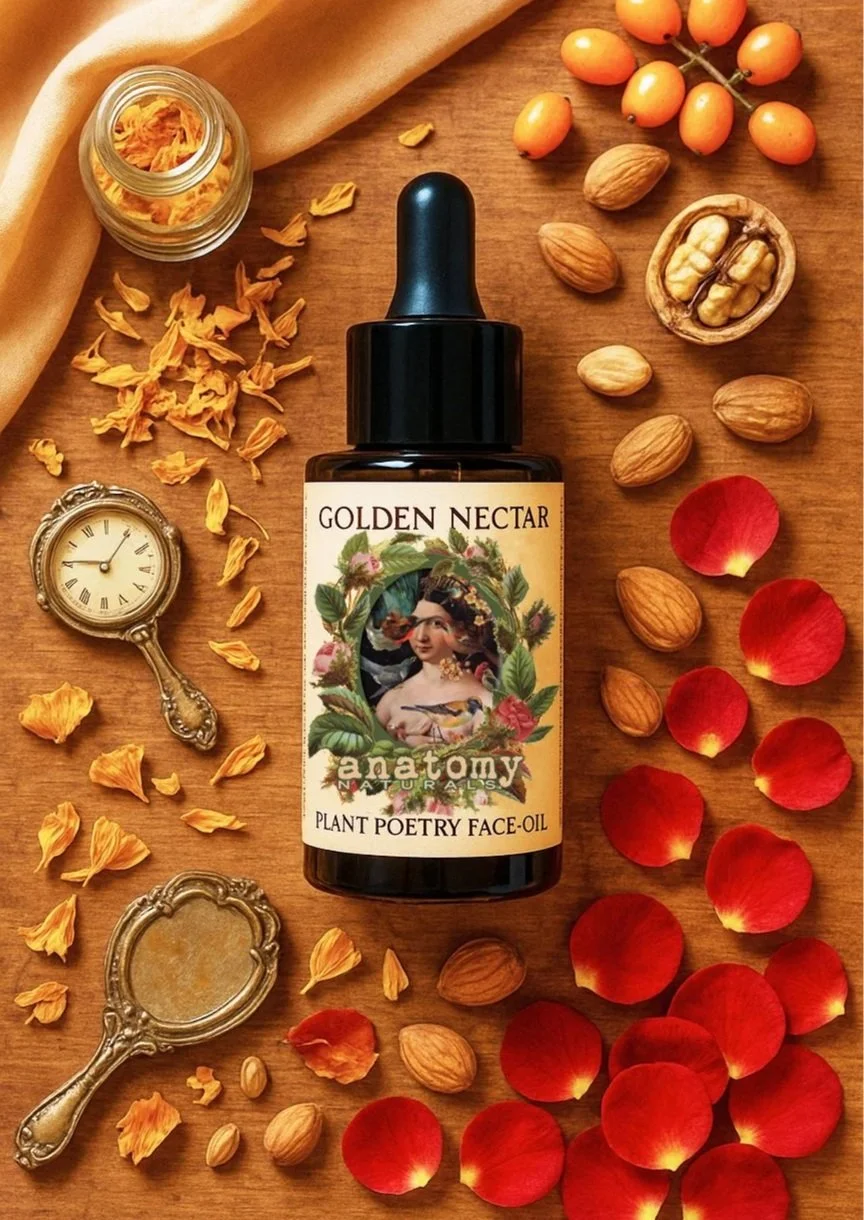
for Mature or severely Dry Skin
Use Golden Nectar face oil for dry or mature skin. This rich, restorative blend focuses on deep renewal for skin that feels perpetually parched.
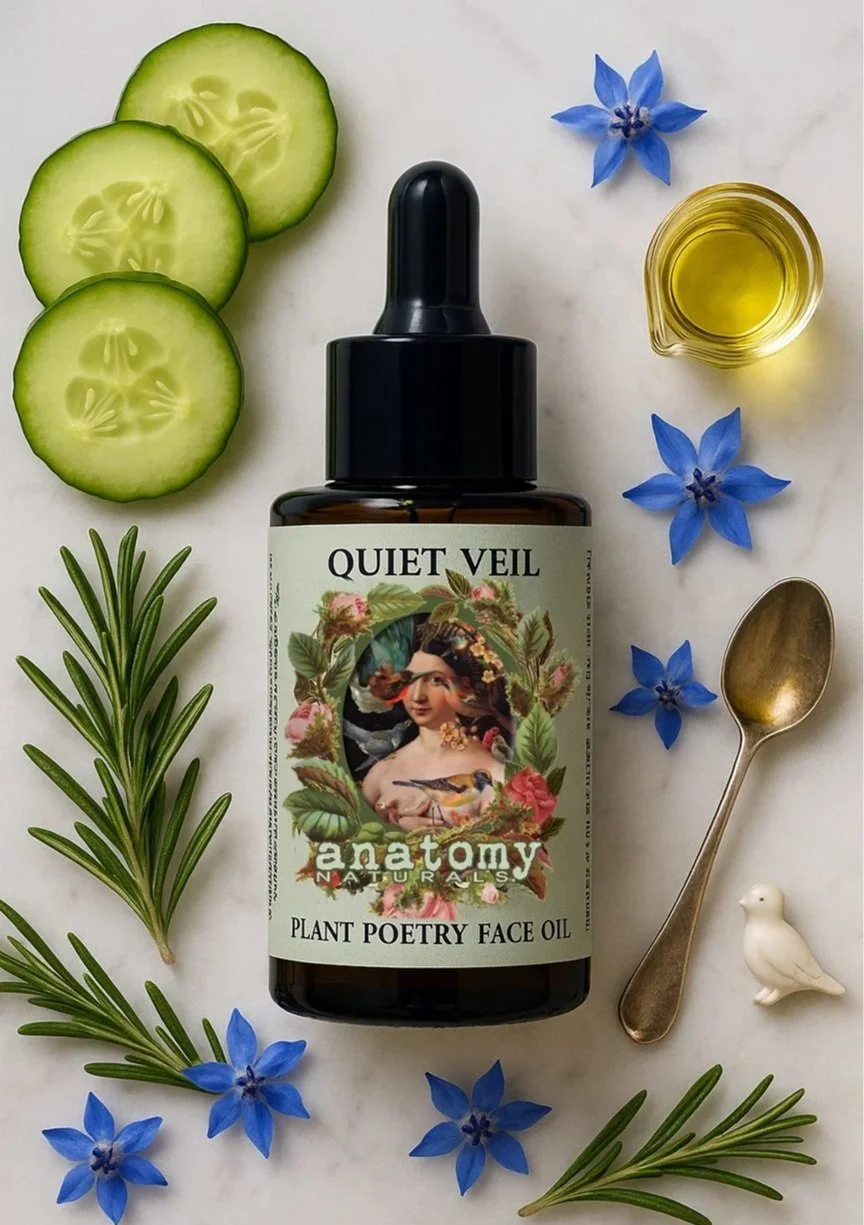
for oily or reactive skin
Use Quiet Veil face oil for oily or acne-prone skin. This lightweight, non-comedogenic oil is specifically crafted to soothe redness and provide comfort to sensitive barriers.
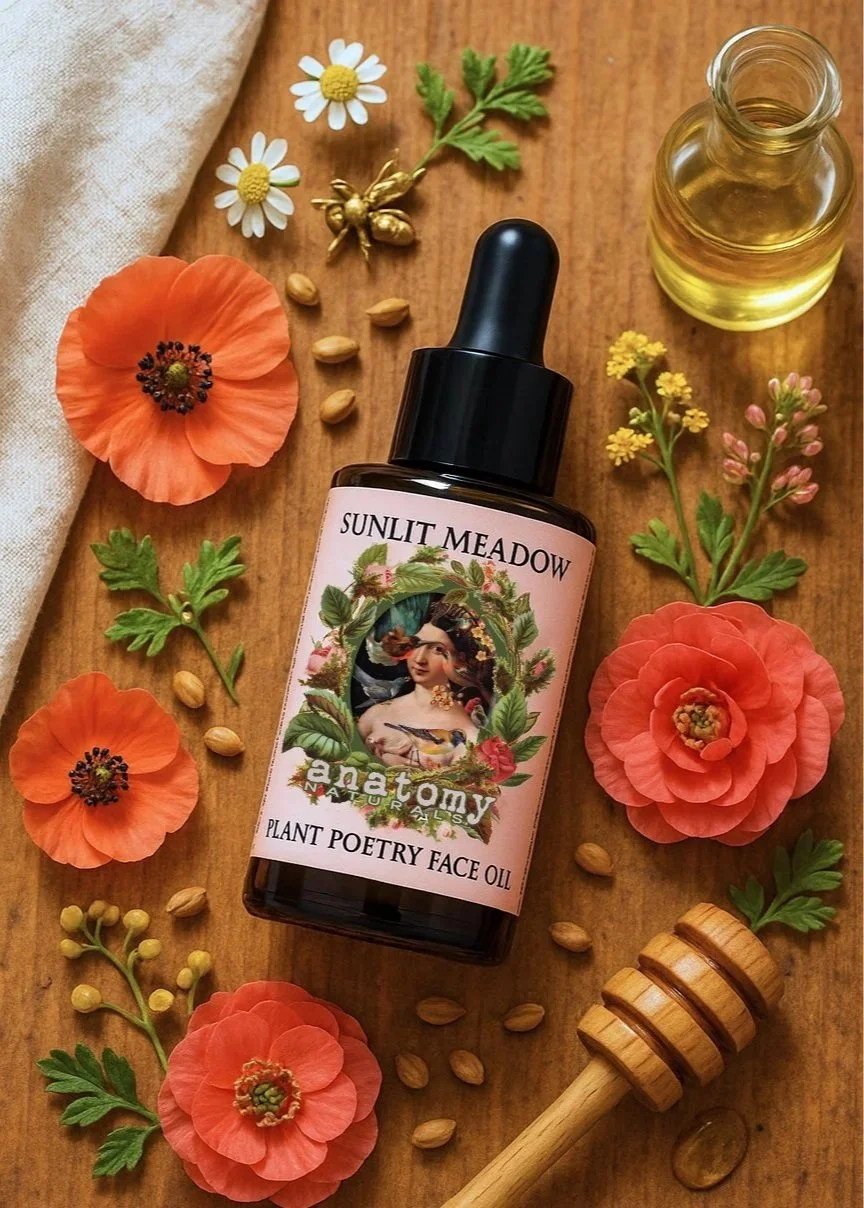
for Normal or Combination Skin
Use Sunlit Meadow face oil for combination skin. A balanced formula designed to provide daily nourishment and a healthy-looking glow.
Why Anhydrous Formulas Support Barrier Repair
When skin is compromised, anhydrous (water-free) formulas are often better tolerated. By removing water, these products rely on concentrated botanical lipids rather than synthetic emulsifiers or stabilizers.
Plant oils rich in essential fatty acids - such as shea, meadowfoam, and sacha inchi - provide a breathable seal that reduces moisture loss while remaining bio-compatible with the skin’s natural composition.
What to Avoid While Repairing Your Barrier
During recovery, keep routines minimal so your skin can focus on rebuilding rather than defending itself.
harsh exfoliation
foaming cleansers
high-strength actives
fragranced formulas if your skin is reactive
Keeping your routine simple allows your skin to focus on rebuilding rather than defending itself.
What to Expect During the 14-Day Repair Period
Barrier repair happens gradually, not overnight. Most people notice steady improvements in comfort, texture, and hydration as the skin’s lipid structure stabilizes.
Days 1–3 - Skin feels calmer and less reactive.
Days 4–7 - Texture begins to smooth and tightness decreases.
Days 8–14 - Comfort improves, redness softens, and hydration lasts longer.
Consistency matters more than product quantity.
Frequently Asked Questions
How long does it take to repair a damaged skin barrier? Mild damage can improve in about two weeks with gentle care. More severe disruption may take longer.
Can facial oils repair the skin barrier? Oils don’t replace your barrier, but they can support it by supplying lipids and helping prevent moisture loss while skin restores itself.
Should I exfoliate if my barrier is damaged? It’s best to pause exfoliation until your skin feels calm and balanced again.
What damages the skin barrier most often? Over-exfoliation, harsh cleansers, excessive actives, environmental stress, and over-washing are common triggers.
Quick Summary: Damaged Skin Barrier Signs
• Stinging or burning
• Tightness after moisturizing
• Flaking or rough texture
• Redness or reactivity
A weakened barrier is usually temporary and improves once stressors are reduced and lipids are restored.A compromised skin barrier is ultimately the need for restorative lipid support and reduced environmental stress. By recognizing the early indicators of dysfunction - such as persistent tightness or reactivity - and implementing a structured 14-day repair protocol, you can successfully restore your skin's natural resilience.
At Anatomy Naturals, our formulations are specifically engineered to support this recovery phase. By focusing on anhydrous, bio-compatible plant lipids, we provide the concentrated nourishment your skin needs to rebuild its protective "mortar" without the interference of synthetic fillers or harsh preservatives.
Ready to start your 14-day barrier Plan?
Choose the lipid profile that best matches your skin type:
Dew Over Oil Cleanser: To protect your acid mantle during the cleansing process.
Golden Nectar Face Oil: For deep restoration of dry and mature skin.
Sunlit Meadow Face Oil: For daily balance and radiance in normal or combination skin.
Quiet Veil Face Oil: For lightweight, non-comedogenic comfort for oily and reactive skin.
All formulas are available in unscented versions to ensure maximum compatibility with even the most sensitive barriers.