
Why Skin is Still Dry After Moisturizing
TL;DR: Why your skin is still dry after moisturizing. If your skin still feels dry after moisturizing, it’s usually because moisture is escaping faster than your skin can hold it. This happens when the skin barrier lacks enough lipids to lock in hydration, leading to increased water loss and persistent dryness. Fixing this means focusing less on adding more moisturizer and more on restoring the barrier so your skin can actually retain moisture.
Quick Facts
Most common cause: barrier lipid depletion
What helps fastest: apply moisturizer to damp skin, then seal
What to avoid: hot showers, over-exfoliation, strong cleansers
Best texture types: richer creams + barrier-supportive oils/butters
When to see a pro: cracking, oozing, severe itch, worsening rash
Why Skin Can Feel Dry Even After Moisturizing
Skin that still feels dry after moisturizing is usually lacking barrier lipids, not water. The stratum corneum relies on both humectants to attract moisture and occlusives to reduce evaporation. Understanding this balance helps you choose formulas that support lasting hydration and barrier resilience.
If you’re wondering why your skin still feels dry after moisturizing, you likely aren’t using the right ingredients for your specific issue. Most people mistake dehydrated skin or a damaged skin barrier for simple dry skin. While they all can feel dry, the solutions - ranging from replenishing lipids to preventing excessive transepidermal water loss - are completely different.
Understanding the difference is one of the simplest ways to improve how your skin looks and feels, especially if your skin is dry, reactive, or changing with age. Let’s look at the differences and how to address them.
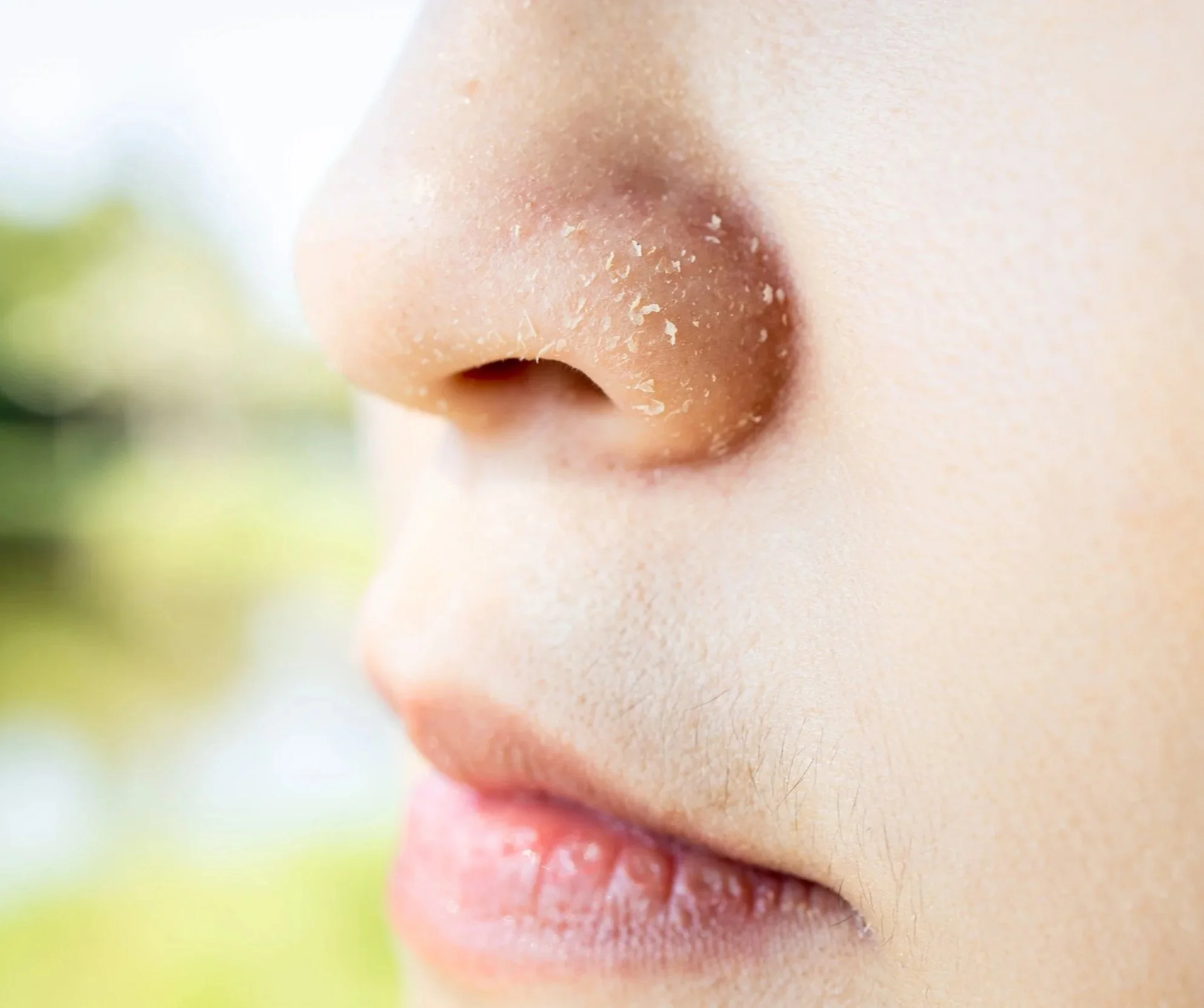
Dry, flaky texture caused by insufficient oil in the skin barrier
Identify Your Skin Type in 60 Seconds
Quick Self-Assessment: What's Actually Wrong With Your Skin?
This isn’t a medical diagnosis. It’s a practical way to spot patterns that point to what your skin is asking for.
Answer these three questions:
1 - After applying moisturizer, does your skin feel:
Comfortable for 8+ hours → Normal/healthy
Tight within 2-3 hours → Dehydrated
Improved but still rough/flaky → Dry
Stinging or burning → Sensitive/compromised barrier
2 - Does your skin produce oil?
Yes, especially T-zone → Dehydrated
Minimal to none → Dry
Variable/unpredictable → Sensitive
3 - What makes it worse?
Hot showers, air conditioning → Dehydrated
Cold weather, frequent washing → Dry
New products, fragrances → Sensitive
Why These Skin Types Are So Often Confused
Most skincare advice focuses on symptoms instead of causes. Tightness, flaking, redness, itching, and dullness can show up in dry skin, dehydrated skin, sensitive skin, or all three at once. Because the symptoms overlap, the solution often misses the real problem. Skincare works best when you treat what’s actually happening underneath the surface.
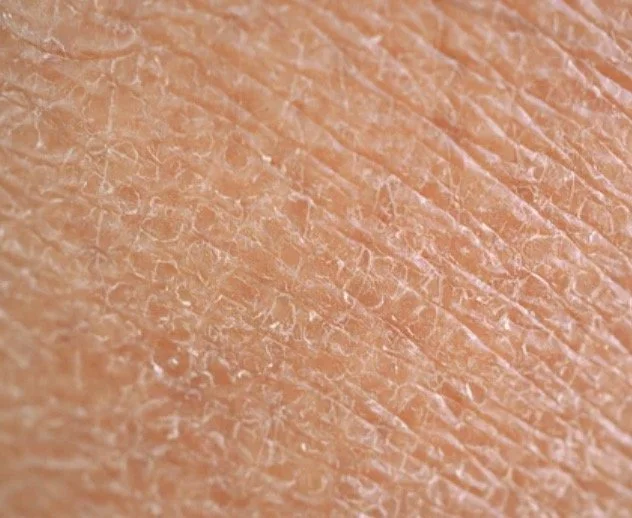
Rough skin texture that can occur with dryness or dehydration
What Is Dry Skin?
Dry skin is primarily a lack of oil.
Dry skin occurs when your skin does not produce enough natural oils to maintain a healthy barrier. These oils are essential. They keep moisture from escaping and protect skin from environmental stress. When oil levels are low, the barrier weakens and water evaporates more easily, even if you’re using a moisturizer.
Common signs of dry skin
Flaking or scaling
A tight or uncomfortable feeling after cleansing
Rough or uneven texture
Fine lines that appear more noticeable
Skin that feels better briefly after applying products, then dry again
What dry skin actually needs
Dry skin needs lipids, oils, and structure. Adding more water without replacing oil is like pouring water into a cracked container. It doesn’t last. This is why dry skin often responds well to face oils, rich emulsions, and body products applied to damp skin.
What Is Dehydrated Skin?
Dehydrated skin is a lack of water.
Dehydration refers to low water content in the skin. Unlike dry skin, dehydration is not a skin type. It’s a condition that can affect any skin type, including oily or acne-prone skin. You can produce plenty of oil and still be dehydrated.
Common signs of dehydrated skin
Skin feels tight but looks shiny
Fine lines that temporarily improve after misting or applying water-based products
Makeup settles into lines or looks cakey
Skin feels uncomfortable even when moisturized
What dehydrated skin actually needs
Dehydrated skin needs water and the ability to hold onto it. That means:
Water-binding ingredients
Gentle cleansing
Protection from moisture loss
Hydration without barrier support is short-lived. This is why some products feel good at first, then stop working within hours.
What Is Sensitive Skin?
Sensitive skin is not a skin type, it’s a condition.
Sensitive skin is best understood as a reactive or compromised skin barrier. When the barrier is weakened, skin becomes more responsive to ingredients, friction, temperature changes, and even water.
Common signs of sensitive skin
Redness or flushing
Stinging or burning sensations
Itching
Reactions to fragranced or active-heavy products
Skin that feels unpredictable or easily overwhelmed
Sensitive skin often develops alongside dryness or dehydration, but it can also be temporary. Over-exfoliation, harsh cleansers, stress, and environmental exposure all play a role.
How the Skin Barrier Actually Works
To understand why your skin stays dry, you have to look at the stratum corneum (the outermost layer). Think of it as a "bricks and mortar" structure. Your skin cells are the bricks, and the lipid bilayer - composed of ceramides, cholesterol, and free fatty acids - is the mortar.
When this structure is healthy, it prevents Transepidermal Water Loss (TEWL), the process where water evaporates from the dermis into the atmosphere.
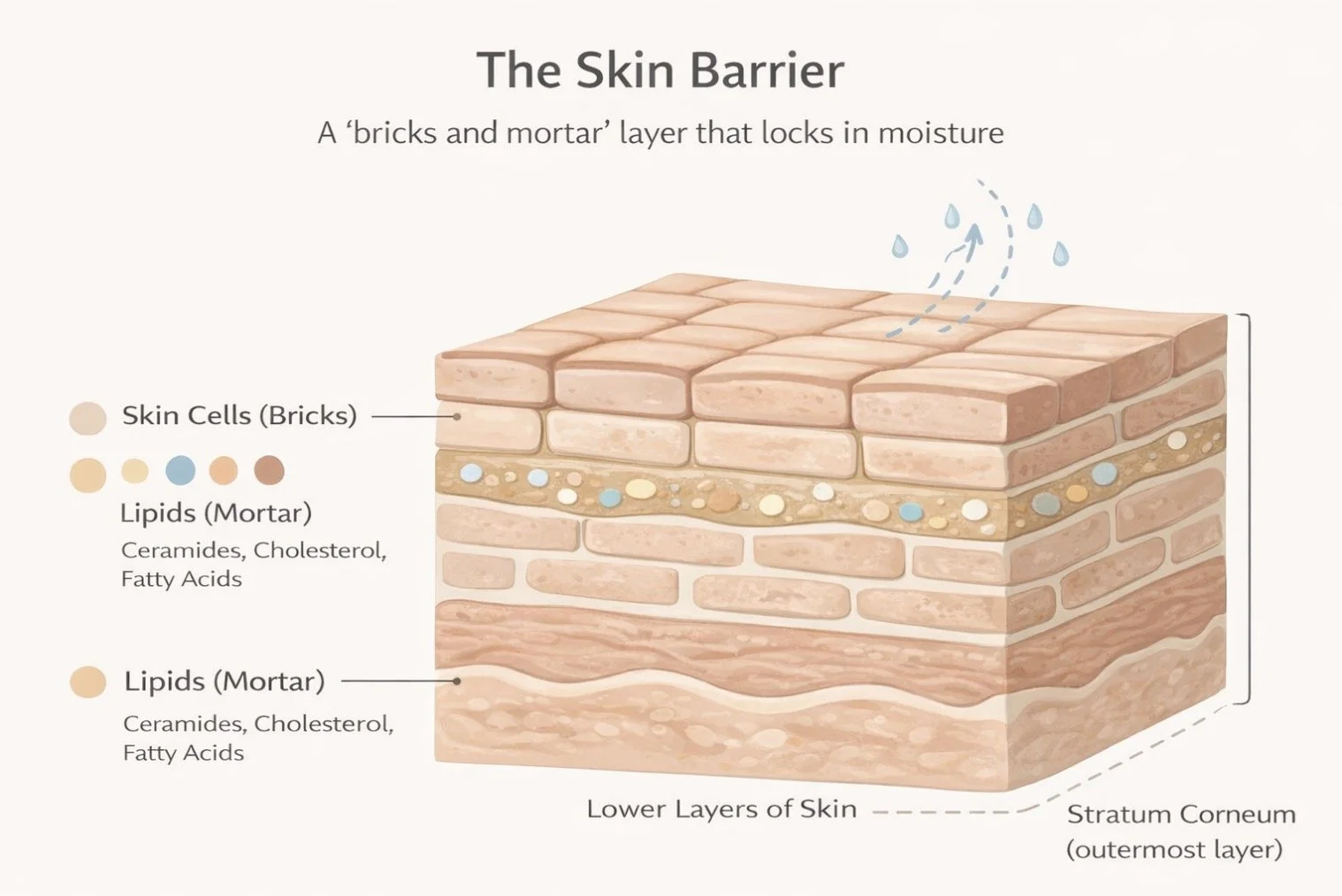
The skin barrier is often described as a “bricks and mortar” structure.
Skin cells act as the bricks, while lipids like ceramides, cholesterol, and fatty acids form the mortar that helps lock in moisture and protect against water loss.
1. The Role of Humectants vs. Occlusives
The reason your moisturizing routine might be failing is a lack of balance between these three functional categories:
Humectants: (e.g., Hyaluronic Acid, Glycerin) These act like magnets that pull water into the skin. However, if you live in a dry climate or have a damaged barrier, humectants can contribute to increased water loss from the skin, making you feel drier.
Emollients: (e.g., Squalane, Ceramides) These fill in the gaps between skin cells, smoothing out rough patches and repairing the "mortar."
Occlusives: (e.g., Shea Butter, Beeswax) These create a physical shield on the surface. Without an occlusive layer, the hydration provided by your serums will simply evaporate via TEWL.
2. Why the Barrier Fails
Dry Skin is a genetic lack of sebum (natural oils). Without enough lipids, the "mortar" is permanently thin.
Dehydrated Skin is a lack of water within the cells, often caused by environmental factors like low humidity or internal factors like caffeine consumption.
Sensitive/Compromised Skin occurs when the lipid bilayer is physically "cracked" by over-exfoliation or harsh cleansers. This allows irritants to get in and moisture to get out, leading to the "stinging" sensation you feel when applying even basic lotions.
(Based on dermatological research published in The Journal of Investigative Dermatology and The International Journal of Cosmetic Science)
Can You Have Dry, Dehydrated, and Sensitive Skin at the Same Time?
Yes. And most people do. This is the part that’s rarely explained clearly.
Dry skin and sensitive skin often go hand in hand
Dehydrated skin commonly appears alongside sensitivity
Aging skin frequently involves all three due to slower barrier repair and reduced oil production
When skincare focuses on only one issue, results tend to stall.
Why Skincare Often Fails When These Are Mixed Up
Most skincare routines fail because the wrong condition is being treated.
Using lightweight hydrators on dry skin without replenishing oil
Over-cleansing sensitive skin in an attempt to be “gentle”
Adding active ingredients to skin that needs repair, not stimulation
Exfoliating flakiness that’s caused by dryness, not buildup
These approaches can temporarily mask symptoms while quietly weakening the skin barrier over time. Environmental factors play a major role as well. Cold weather, indoor heating, and low humidity can all increase moisture loss, which is why skin often feels drier in winter. If this sounds familiar, our post on how to fix dry winter skin explains why seasonal changes make dryness worse and how to stay comfortable.
What Your Skin Actually Needs (Not What Marketing Says)
For Dry Skin:
❌ Don't use: Lightweight lotions, water-based gel moisturizers
✅ Do use: Oil-based creams, butter blends, face oils applied to damp skin
Why: Water evaporates. Oil doesn't. Your skin can't hold water without a lipid layer.
For Dehydrated Skin:
❌ Don't use: Heavy oils alone (they seal but don't hydrate)
✅ Do use: Hyaluronic acid + lightweight moisturizer, essence or hydrating toner. For dehydrated skin, hydration can come from humectant-rich products, followed by oils or creams to prevent water loss.
Why: You need water first, then something to hold it in.
For Sensitive/Compromised Barrier:
❌ Be cautious with: Acids, retinoids, strong active ingredients, and fragrances. This typically refers to synthetic fragrance or heavily scented formulas, which are common triggers for compromised skin.
✅ Do use: Ceramides, minimal ingredient lists, fragrance-free formulas
Why: Your barrier needs repair, not stimulation.
How to Choose the Right Skincare Based on Your Skin Type
Once you understand the difference, product choices become simpler.
Dry skin benefits from oils and lipid-rich formulas
Dehydrated skin needs hydration paired with protection
Sensitive skin does best with fewer ingredients and barrier-first formulations
For both face and body, how and when you apply products matters just as much as what you use. Applying moisturizers or oils to damp skin helps reduce moisture loss and supports the barrier more effectively. For a step-by-step breakdown, see our guide on how to use body oil after showering.
When skin struggles to hold onto moisture, oils often provide support that water-based products alone cannot. Face oils and body oils help reinforce the skin barrier by replenishing the lipids that naturally keep moisture from escaping. Used correctly - especially when applied to slightly damp skin - they don’t replace hydration, but help seal it in. This is why oil-based products are often especially helpful for dry, sensitive, or aging skin that feels moisturized briefly, then dry again hours later.
Why Dry and Sensitive Skin Often Worsens With Age
As skin ages, oil production naturally declines and barrier recovery slows. This can lead to:
Increased dryness
Greater sensitivity
Skin that feels thinner or less resilient
Aging skin is often framed as a wrinkle problem. In reality, it’s frequently a barrier and moisture problem first. Supporting the skin gently and consistently tends to produce better long-term results than chasing aggressive treatments.
Why Your Skincare Routine Isn’t Working: 5 Critical Mistakes
If you’ve invested in high-end products but your skin still feels parched, you are likely making one of these five common tactical errors.
1. Using Humectants Without Occlusives
Applying Hyaluronic Acid or Glycerin to dry skin without "sealing" it is like pouring water into a bucket with no lid. In low-humidity environments, these humectants can actually accelerate transepidermal water loss by drawing moisture out of your deeper dermis and letting it evaporate.
The Fix: Always layer a cream or oil over your water-based serums to lock in hydration.
2. Mistaking Dehydration for "Dryness"
If you apply heavy oils to dehydrated skin, you’re sealing in dryness rather than hydration. Oils provide lipids (oil), but they do not provide hydration (water).
The Fix: Use a water-based essence or hydrating toner first, then apply your oil or moisturizer while the skin is still damp.
3. Exfoliating Away Your Barrier
When skin looks flaky, the instinct is to scrub it off. However, if that flakiness is caused by a compromised barrier, exfoliation (especially with physical scrubs or strong AHAs) strips away the very "mortar" your skin is trying to rebuild.
The Fix: Pause all chemical and physical exfoliants for 14 days to allow for natural cellular turnover.
4. Over-Cleansing with High-pH Surfactants
Using a foaming cleanser that leaves your skin feeling "squeaky clean" is a sign you've stripped your acid mantle. This disruption raises your skin's pH, making it impossible for your barrier to retain moisture.
The Fix: Switch to a gentle, non-foaming milk or oil cleanser, especially at night when you’re removing sunscreen, makeup, and daily buildup.
The Preventative Step: To break the cycle of dryness, start with your first step. Dew Over Facial Oil Cleanser uses a silk-textured botanical lipid blend that dissolves buildup while helping preserve your skin’s natural balance. Skin feels clean, soft, and comfortable. Never tight
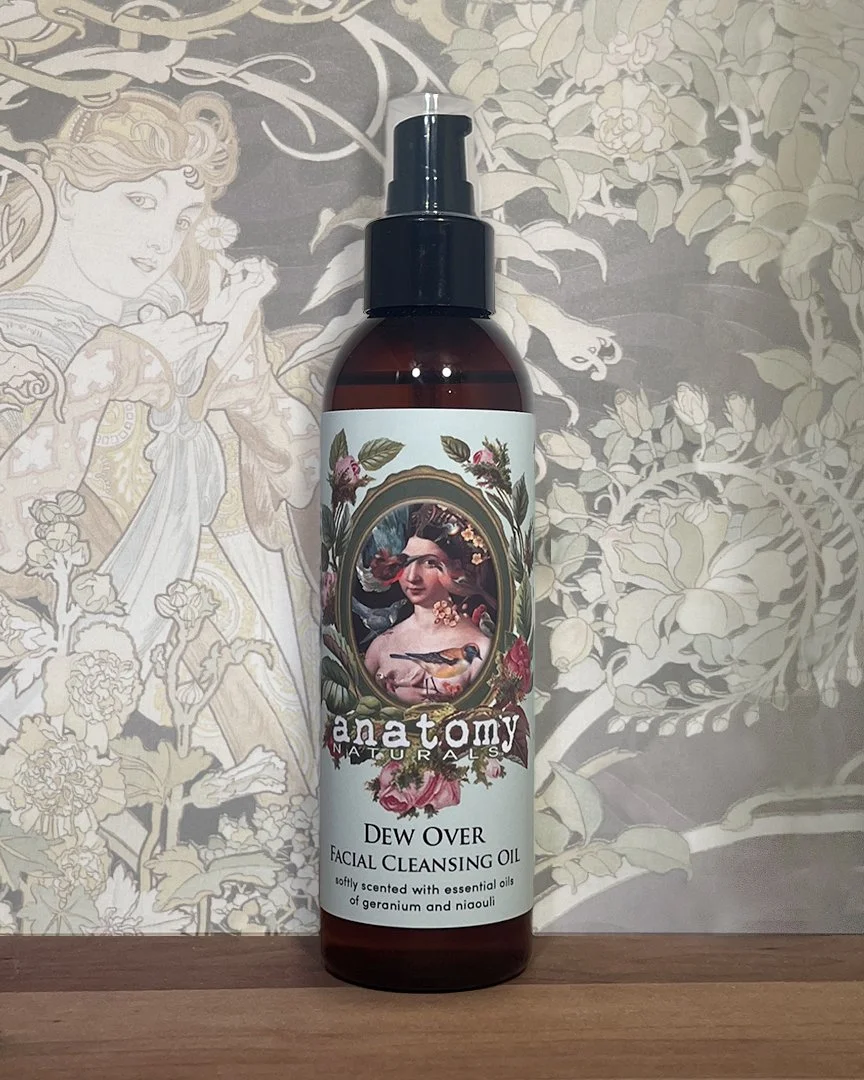
Dew Over Facial Oil Cleanser cleanses without stripping.
5. Ignoring the "Healing Window"
Many people switch products after three days if they don't see results. However, the skin cell cycle takes approximately 28 to 45 days.
The Fix: Give a barrier-repair routine at least 4 weeks to show real improvement. Product-hopping only further confuses and sensitizes the skin.
7-Day Protocol to Identify and Fix Your Skin Issue
This is a gentle reset, not a treatment plan. If you experience burning, swelling, or persistent irritation, stop and reassess.
Days 1-3: Strip Back
Gently cleanser only
Single moisturizer (no actives)
Note: How does skin feel 2 hours after moisturizing?
Days 4-5: Add Hydration
Add a hydrating toner or essence before moisturizer
If skin improves → You were dehydrated
If no change → Continue to next step
Days 6-7: Add Oil
Add a face oil or richer moisturizer
If skin improves → You have dry skin
If skin reacts badly → You have sensitive/compromised barrier
When dryness is caused by barrier lipid depletion, oil-based products can help reinforce the skin’s natural seal.
Recommended Face Oils for Dry, Dehydrated, and Sensitive Skin
Choose Your Botanical Seal:
For Persistent Dryness: Golden Nectar Plant Poetry Face Oil for Dry and Mature Skin
Why it Works: A plush, nutrient-dense blend for skin that feels constantly thirsty. Rich in essential fatty acids, it cushions the skin, softens the look of fine lines, and restores a supple, healthy glow.
For Sensitivity & Balance: Quiet Veil Plant Poetry Face Oil for Oily and Acne-Prone Skin
Why it Works: A featherlight botanical blend designed for skin that needs hydration without heaviness. Comforting plant lipids help calm the look of reactivity while supporting a balanced feel.
For Overnight Restoration: Moonlit Velvet Overnight Face Oil for All Skin Types
Why it Works: Powered by bakuchiol, a gentle plant-based retinol alternative, this restorative treatment supports visible renewal and deep nourishment while you sleep.
For Brightness & Vitality: Sunlit Meadow Plant Poetry Face Oil for Combination Skin
Why it Works: A revitalizing blend rich in botanical antioxidants that helps defend against environmental stressors while encouraging a radiant, even-looking complexion.
For Lightweight Comfort: Reign Drops Face Oil for Men
Why It Works: A refined botanical blend designed for skin that prefers hydration with a barely-there feel. Fast-absorbing plant oils help soften the look of dryness, support a smooth texture, and leave skin feeling comfortable, balanced, and well cared for.
Pro Tip: For best results, apply your oil while skin is still slightly damp from cleansing, toner or serum. This helps seal in hydration and leaves skin feeling soft, comfortable, and nourished.
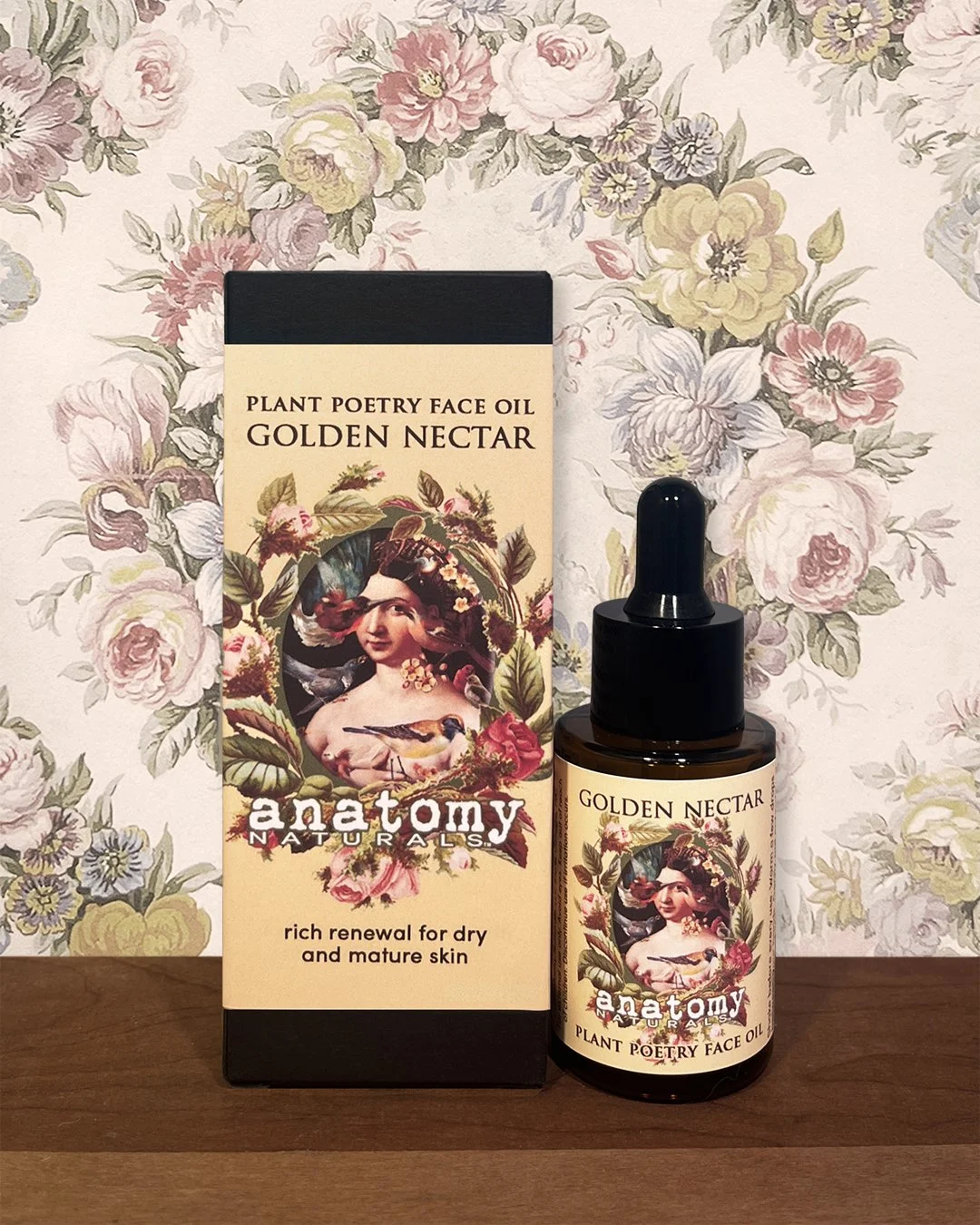
Golden Nectar Face Oil for Dry and Mature Skin
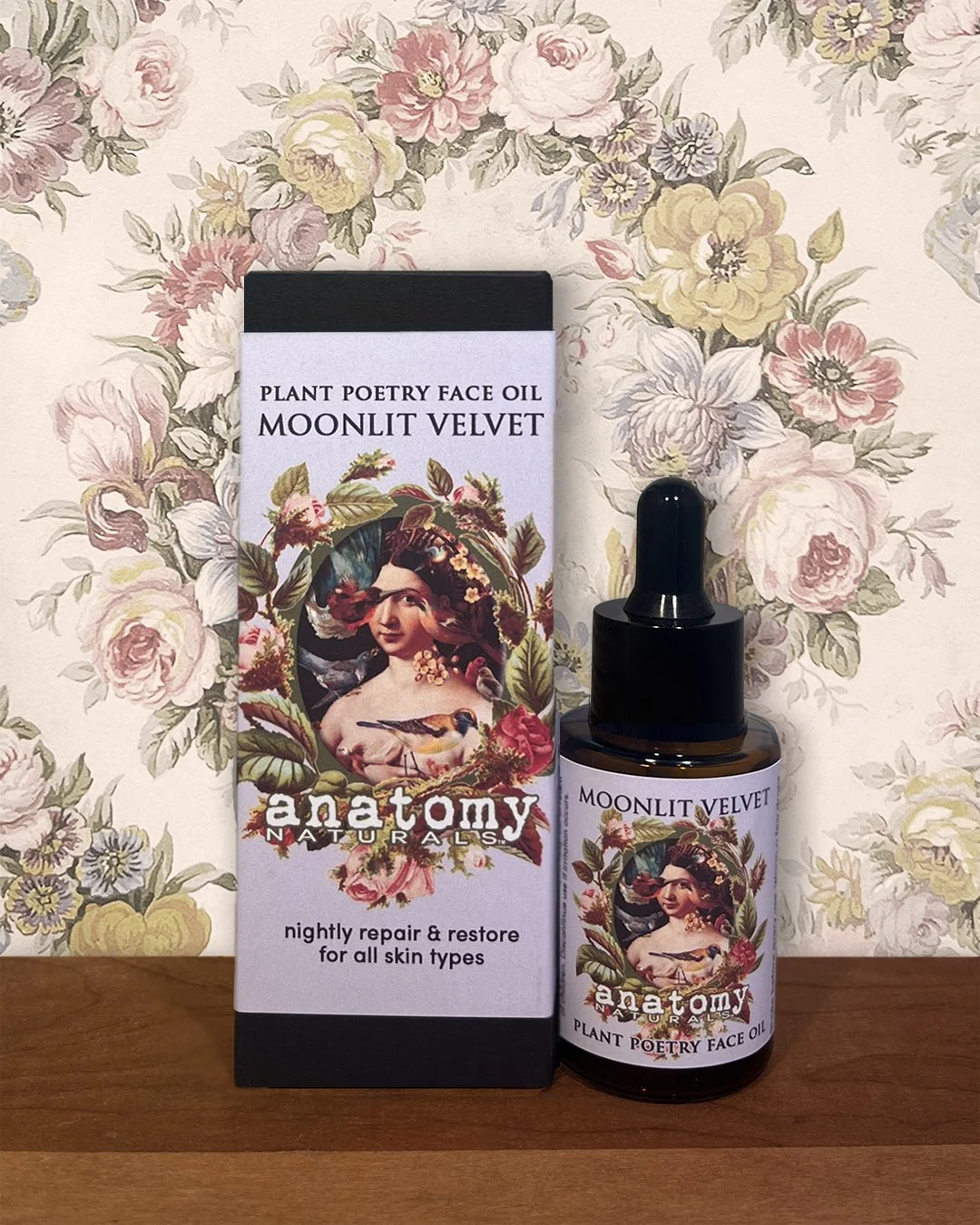
Moonlit Velvet Overnight Face Oil for All Skin Types
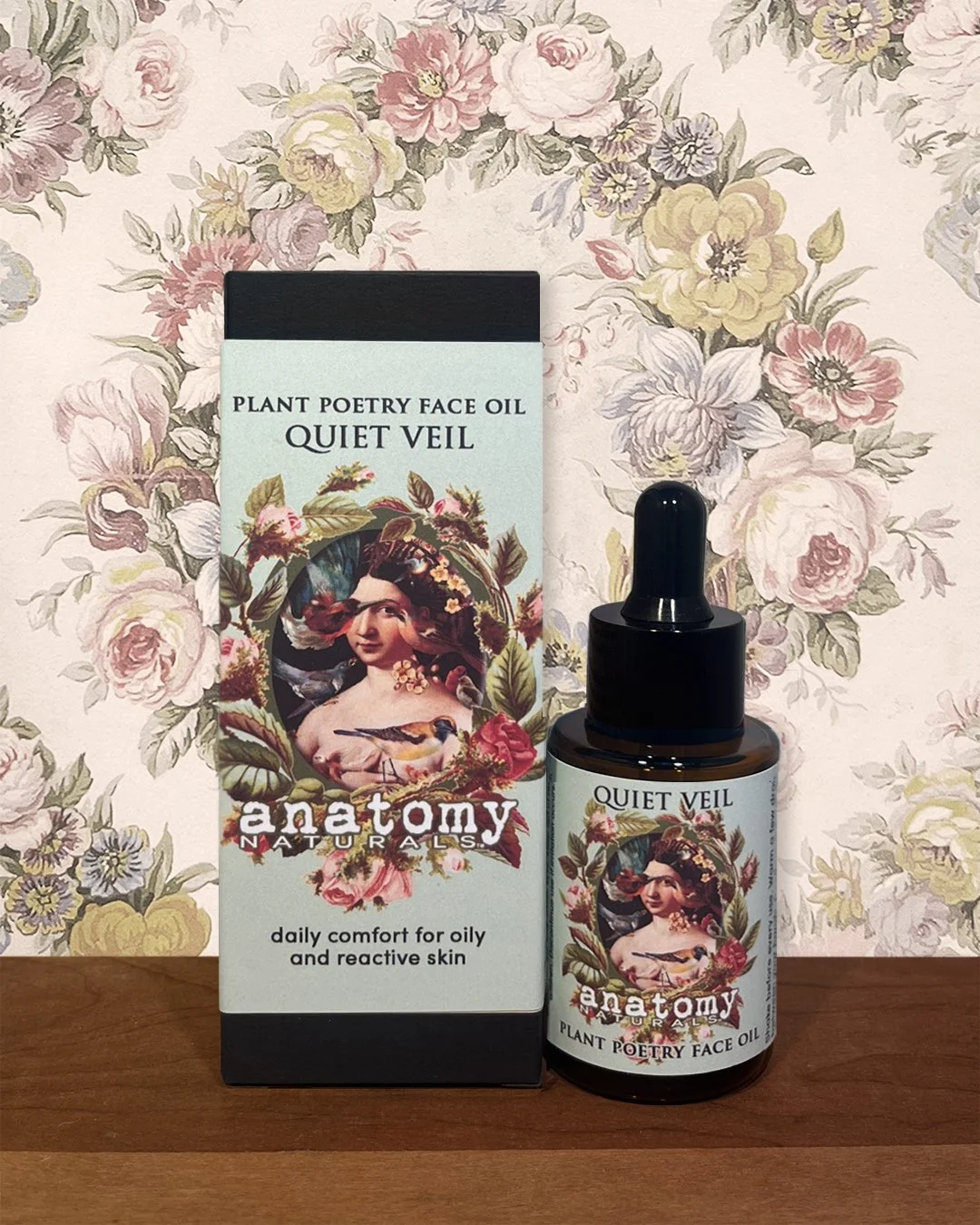
Quiet Veil Face Oil for Oily or Acnt-Prone Skin
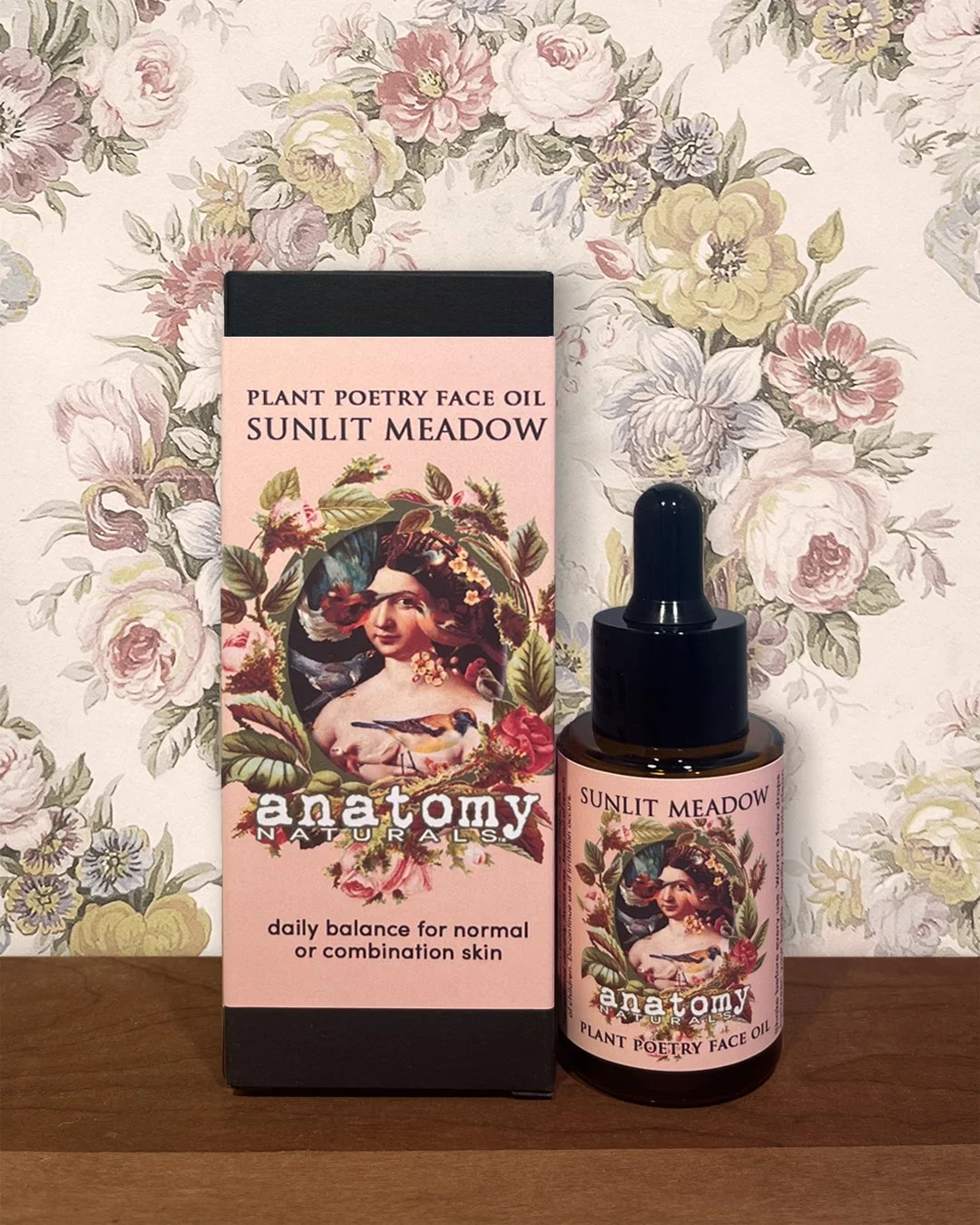
Sunlit Meadow Face Oil for Combination Skin
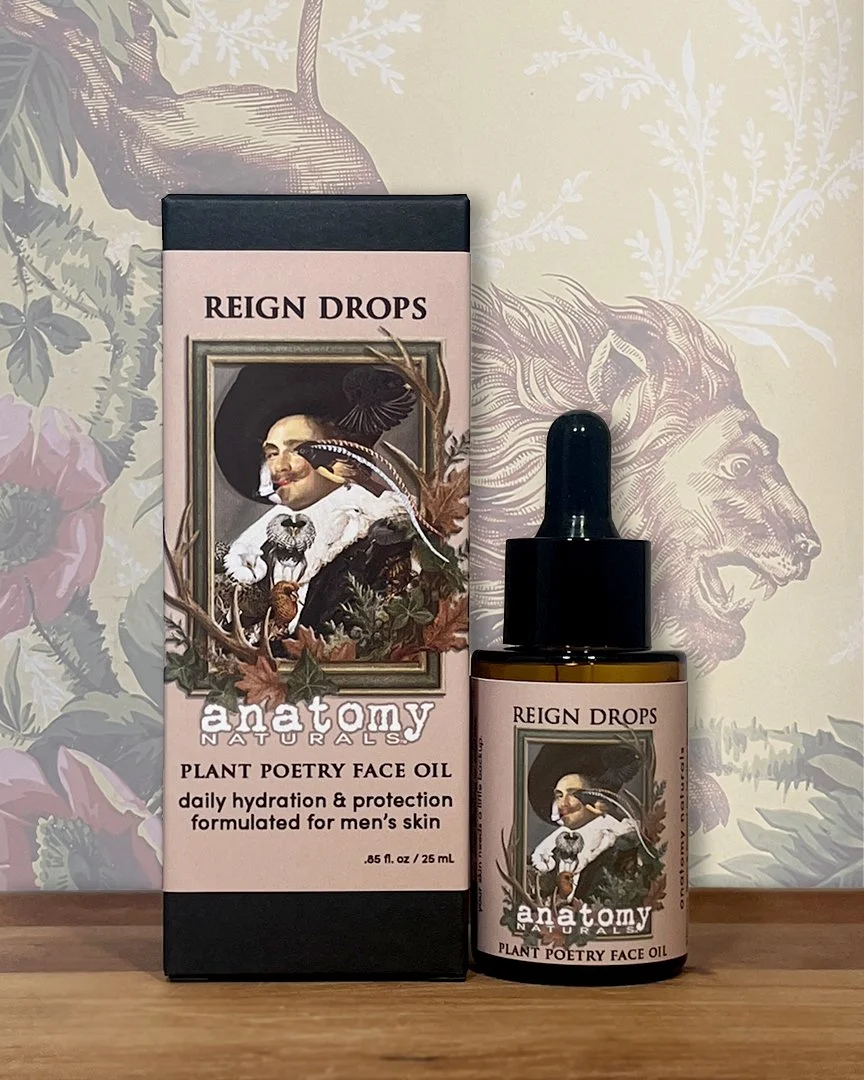
Reign Drops Face Oil for Men
Quick Summary: Dry vs Dehydrated vs Sensitive Skin
Dry skin lacks oil
Dehydrated skin lacks water
Sensitive skin lacks barrier strength
Many people experience overlap. Skincare works best when the underlying issue is identified and supported over time, rather than treated aggressively. Understanding this distinction is the foundation for healthier skin and a routine that actually works.
When to Seek Professional Help
• persistent cracking or bleeding
• severe itching or rash
• symptoms worsening despite routine changes
Ready to stop the cycle of dryness? Follow our 14-Day Skin Barrier Repair Guide to restore your skin’s natural seal and lock in hydration for good.
Frequently Asked Questions About Dry, Dehydrated or Sensitive Skin
-
Why does my skin still feel dry after moisturizing?
If your skin still feels dry after moisturizing, the issue may not be dryness alone. Dehydrated skin lacks water, while a weakened skin barrier allows moisture to escape too quickly. When the underlying issue isn’t addressed, even good products can feel ineffective.Can oily skin be dehydrated?
Yes. Dehydration is a lack of water, not oil. Oily or acne-prone skin can still feel tight, uncomfortable, or dull if it isn’t holding onto moisture properly.Is sensitive skin the same as a damaged skin barrier?
Sensitive skin is often linked to a compromised skin barrier, but they aren’t exactly the same. A weakened barrier makes skin more reactive to products, temperature changes, and friction, which is why sensitive skin often stings, burns, or flushes easily.Should I use oil if my skin is dehydrated?
Oils don’t provide hydration on their own, but they can help prevent moisture loss. For dehydrated skin, apply hydration first, then use an oil or moisturizer to help seal it in and support the skin barrier.
If your skin still feels dry after moisturizing, these guides will help you fix the root cause: