
How to Fix Dry Winter Skin and Keep It From Coming Back
Winter dryness occurs when low humidity and indoor heating increase transepidermal water loss. Applying lipid-rich formulas to damp skin shortly after bathing helps seal in moisture and reinforce the barrier. This guide outlines how to maintain skin comfort and resilience during cold weather.
Quick Facts:
Most common cause: low humidity + indoor heat increasing transepidermal water loss (TEWL)
Fastest relief: apply moisturizer to damp skin, then seal with lipids
Best habits: gentle cleansing, shorter showers, consistent occlusion
Biggest upgrade: add a humidifier at night
When to see a pro: cracking, bleeding, oozing, severe itch, worsening rash
Winter dryness can feel like a sneak attack. One day your skin is fine, and the next your face feels tight, your hands sting, and your legs look like parchment. You’re not imagining it. Cold air, indoor heat, and low humidity pull water out of your skin faster than your barrier can hold it. Winter dryness isn’t always just a lack of moisture. Often it’s dehydration plus a weakened barrier, which is why the right sequence matters.
The 5-Step Winter Skin Protocol
To fix dry winter skin, you need to trap hydration and reduce moisture loss. This sequence reflects widely accepted dermatological principles for barrier support.
Switch to Non-Foaming Cleansers: Protect the acid mantle from harsh winter stripping.
The 3-Minute Rule: Apply products to damp skin to trap water before it evaporates.
Layer Hydration & Lipids: Use water-based serums followed by botanical oils.
Stop Transepidermal Water Loss (TEWL): Use occlusives (butters/oils) to seal the barrier.
Maintain Humidity: Use a humidifier to prevent dry indoor air from "sponging" water out of your skin.
Let’s break it down by the questions people ask most about treating dry winter skin.
Why Does Skin Get So Dry in Winter?
The short version: winter air holds almost no moisture. Winter dryness is driven by a spike in transepidermal water loss (TEWL). When the relative humidity indoors drops due to heating, the dry air acts like a sponge, physically pulling water out of your skin's barrier. If your barrier is already irritated, sensitive, or compromised, winter dryness hits even harder.
Common winter triggers:
Cold, dry outdoor air
Indoor heat
Long, hot showers
Harsh cleansers
Friction from clothing
Not moisturizing quickly enough after a shower or bath
When moisture leaves faster than you replace it, dryness shows up as flaking, tightness, irritation and redness.
What Actually Fixes Dry Winter Skin?
Think of hydration in two steps:
Get water into the skin (via damp skin, humectants, light hydrators)
Seal it in (this is where your oils are magic)
Your face oils and body oils shine here. Oils don’t hydrate on their own, but they lock in the water already in your skin. That’s exactly what winter skin needs.
A simple winter hydration routine:
Wash with a gentle cleanser
Leave skin slightly damp
Mist or apply a light water-based hydrator (optional)
Apply your face oil or body oil moisturizer within a few minutes
That timing matters… which brings us to the next question.
When Should You Apply Moisturizer in Winter?
It’s a simple, dermatologist-loved trick:
Apply your moisturizer or body oil within three minutes of getting out of the shower or washing your face.
When your skin is damp, water sits in the top layers. If you wait too long, it evaporates. Applying your face oil or body oil quickly traps that water, giving you softer, calmer skin throughout the day.
This is one of the easiest ways to fix winter dryness. And it works consistently.

Dry, sensitive skin often worsens in winter due to increased transepidermal water loss.
What Actually Works for Dry Winter Skin?
You’re not trying to add moisture - you’re trying to keep what your skin already has.
The most effective winter fixes:
Use a gentle, barrier-friendly cleanser
Apply moisturizer or oil immediately after bathing
Layer hydration (water-based) + nourishment (oil-based)
Choose ingredients that support the skin barrier
Limit very hot showers
Use a humidifier at night
Winter dryness is mostly about evaporation. Stop the water from escaping, and your skin stays comfortable.
How Do You Treat Severely Dry Winter Skin?
When dryness is severe, focus on repairing the barrier, not scrubbing away flakes.
Here’s what actually helps:
Use rich, skin-loving oils and butters (jojoba, shea, cocoa)
Apply oils twice a day, especially on hands and legs
Moisturize after every wash, even quick handwashing
Avoid foaming or stripping cleansers
Reduce exfoliation (once weekly is plenty in winter)
Seal in hydration at night with a thicker layer of oil
Extremely dry skin responds best to consistency, not complexity. A gentle routine, repeated daily, outperforms any quick fix.

Oils and butters are the perfect fix for dry winter skin
Summary: The Essential Winter Skincare Protocol
Winter air steals moisture from your skin
Hydration has to be locked in, not just applied
Gentle cleansing + the 3-minute rule makes a huge difference
Oils are essential for sealing in hydration
Focus on barrier repair, not exfoliation
Small, consistent habits get the best results
Why Winter Makes Skin Drier
Cold air, indoor heating, and low humidity increase evaporation from the skin’s surface. When the barrier is weakened, moisture escapes faster than it can be replaced, leading to tightness, flaking, and sensitivity.
Winter Skincare Science: Quick Reference
The 3-Minute Rule: The critical window for applying occlusives (like body oils) to damp skin to prevent evaporation.
Barrier Function: The skin's natural shield composed of lipids; winter air weakens this, leading to increased sensitivity.
Humectants vs. Oils: Humectants (water-based) draw moisture in, while oils (lipid-based) seal moisture from escaping.
Once hydration is sealed and irritation triggers are reduced, the right barrier-supportive formulas can help maintain comfort throughout winter.
Frequently Asked Questions About Dry Winter Skin
-
Why does my skin get so dry in winter even if I moisturize?
Winter air holds very little moisture, and indoor heating lowers humidity even more. That increases transepidermal water loss, so water evaporates from your skin faster than most routines replace and seal it. Moisturizing works best when you apply it to damp skin and lock it in quickly.What is the 3-minute rule for dry winter skin?
Apply your moisturizer, body oil, or body butter within three minutes of showering or washing. Damp skin holds water in the top layers, and sealing it quickly helps prevent evaporation, which is the main driver of winter dryness.Is dry winter skin dehydration or dryness?
It can be either, or both. Dry skin lacks oil and needs more lipids. Dehydrated skin lacks water and needs hydration plus protection so that water doesn’t evaporate. In winter, many people have a mix: dehydration plus barrier stress.Should I use body oil before or after lotion in winter?
If you use both, apply hydration first, then seal. That usually means lotion or a hydrating serum on damp skin, followed by body oil or body butter to lock it in. Oil alone can seal, but it doesn’t add water.Why does my winter skin itch, sting, or turn red?
Those are common signs of barrier stress. Cold air, hot showers, friction from clothing, and harsh cleansers can weaken the barrier, making skin more reactive. A gentler cleanser, fewer actives, and more lipid support usually improves comfort quickly.How often should I exfoliate in winter?
Less than you think. If you’re flaking because your barrier is dry, exfoliating more can make it worse. For most people, once a week is plenty in winter, and if skin is irritated or stinging, pause exfoliation until it feels calm again.How long does it take to fix dry winter skin?
Many people feel relief within a few days once they moisturize on damp skin and seal consistently. Texture and barrier resilience typically improve over one to two weeks, depending on how dry and reactive the skin is.When should I see a dermatologist for dry winter skin?
If you have cracking that bleeds, oozing, severe itching, spreading rash, or pain that doesn’t improve with gentle care, it’s worth getting checked. Those can signal eczema, dermatitis, or infection.
Barrier-Supportive Products That Help Winter Skin
Honey Dew Moisturizing Body Serum
Best for: Layering hydration and soothing seasonal itch. This rich serum is formulated for skin that requires deep hydration without the weight of traditional lotions. It utilizes water-binding humectants to penetrate the skin's surface, instantly relieving the tight sensation common in low-humidity environments. For optimal results, apply to damp skin immediately after bathing to provide an essential base layer of moisture before sealing with an oil.
Key Benefit: Rapidly absorbs to soothe itchy, parched limbs.
⭐️⭐️⭐️⭐️⭐️ “I love this serum! I have very dry skin, especially in the winter and your serum has been great. It’s exactly what I needed.” - Janice A.
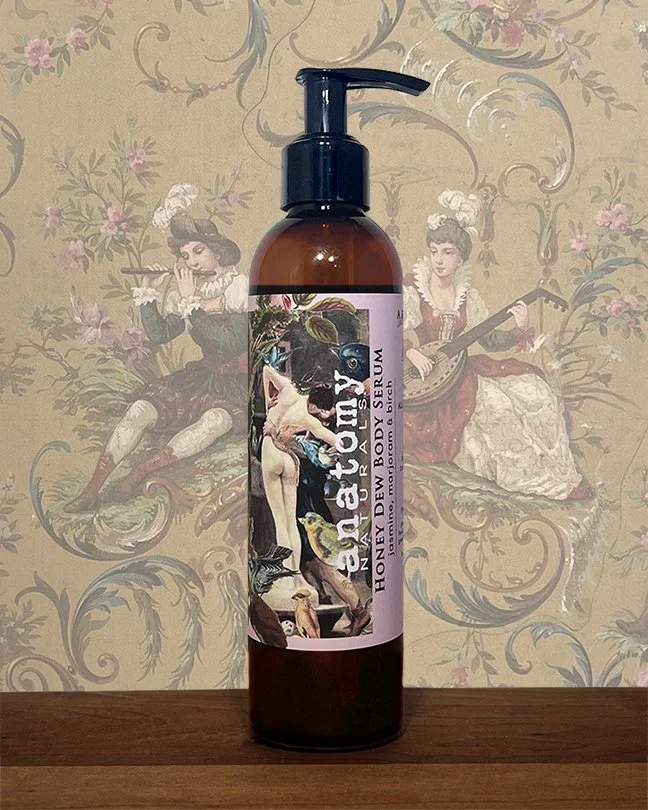
Honey Dew Moisturizing Body Serum - Long lasting moisturizer
Love Your Body Butter
Best for: Repairing a compromised barrier and softening rough texture. A high-lipid formula designed for the peak of winter. This butter melts into the skin, delivering essential fatty acids to repair the mortar of your skin barrier. It creates a durable, protective shield that prevents water loss on high-friction areas like elbows, knees, and shins.
Key Benefit: Long-lasting protection that smooths crepey skin and prevents winter cracking.
⭐️⭐️⭐️⭐️⭐️ - Incredible butter! I can’t believe how long this lasts! I apply it in the morning and my legs are smooth all day. I love the way it melts into my skin. My crepey arms love it too! Thank you! - Barb G.
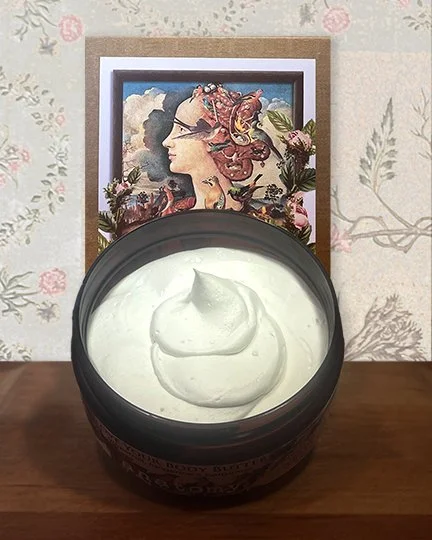
Love Your Body Butter - Extra rich butter for dry, crepey skin
Right as Rain After Shower Body Oil
Best for: The "3-Minute Rule" and locking in maximum hydration. This botanical oil acts as a high-performance occlusive, creating a silky barrier that mimics your skin’s natural lipid layer. When applied within three minutes of showering, it helps trap existing moisture in the skin, preventing dry indoor air from pulling it away. It transforms dull, dehydrated skin into a resilient, radiant texture.
Key Benefit: The ultimate defense against evaporation and all-day tightness.
⭐️⭐️⭐️⭐️⭐️ Beautiful products. The oil is super moisturizing and I'm one dry gal so that's saying a lot! It smells wonderful too. Nice, and soft, not overwhelming at all. love it! - Bethany S.

Right as Rain After Shower Body Oil - Lightweight, all day moisture
Tender Mend Moisturizing Hand Balm
Best for: Restoring skin integrity after frequent washing. Winter hands are prone to extreme barrier damage due to cold exposure and repeated cleansing. This sturdy, nutrient-dense balm provides a concentrated dose of moisture-locking ingredients. It forms a breathable glove over the skin to protect rough knuckles and cracked fingertips from further environmental stress.
Key Benefit: Non-greasy repair for hardworking hands and dry heels.
⭐️⭐️⭐️⭐️⭐️ - This is a must for dry skin. It worked wonders on my heels and was fantastic on my daughter’s dry hands over the winter. I HIGHLY RECOMMEND this product! Try it, you will be amazed at how well it works. - Robin P.
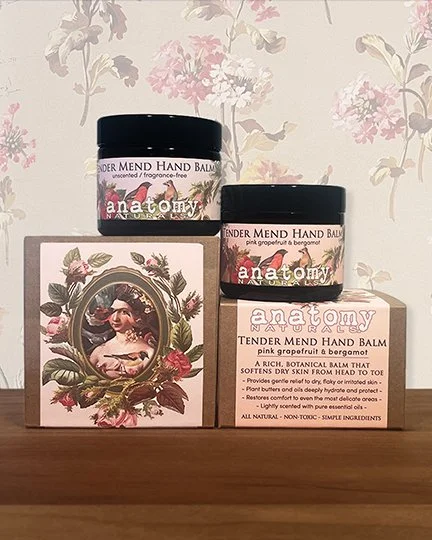
Tender Mend Hand Balm -Concentrated balm for dry, cracked hands